
Abdul Ali Mazari
Leader of the Hezb-e Wahdat PartyAbdul Ali Mazari (1946–1995) was a prominent Hazara political leader and the founder of the Hezb-e Wahdat party, which unified various Hazara factions. He is widely regarded as the "Father of the Hazara Nation" for his efforts to unite the Hazara people and advocate for their political and social rights.
Mazari was a vocal critic of the Taliban and other extremist groups, and he worked tirelessly to promote peace and justice in Afghanistan. He was tragically killed by the Taliban in 1995, and his legacy continues to inspire Hazara communities worldwide. His anniversary is commemorated annually as a day of reflection and unity.
Hazara Culture
A Rich Heritage of Art, Music, and TraditionThe Hazara people have a diverse and vibrant cultural heritage that reflects their unique history and identity. Their culture is shaped by a blend of Persian, Turkic, and Mongol influences, resulting in a rich tapestry of traditions, music, and art.
Key Cultural Elements: Hazara music is characterized by the use of traditional instruments such as the dambura, rubab, and surna. Their dance traditions, such as the Attan, are performed at celebrations and gatherings. Hazara cuisine features dishes like qabuli palaw, mantu, and ashak, which are enjoyed across Afghanistan.
Despite facing decades of marginalization and persecution, the Hazara people have preserved their cultural identity with pride. Their cultural expressions, from poetry to craftsmanship, are a testament to their resilience and creativity.

Rohullah Nikpai
Afghan Taekwondo Athlete & Olympic MedalistRohullah Nikpai (born 1987) is a pioneering Afghan Taekwondo athlete who made history by winning Afghanistan's first-ever Olympic medal. He won a bronze medal at the 2008 Beijing Olympics, and followed this with another bronze at the 2012 London Olympics.
Nikpai's achievements have made him a national hero and an inspiration to young Afghans, particularly within the Hazara community. He has used his platform to advocate for peace, education, and sports development in Afghanistan. He is also a vocal advocate for the Hazara community's right to participate fully in Afghan society.
His success has paved the way for a new generation of Afghan athletes and brought international recognition to Afghan sports.

Abbas Alizada
"Hazara Bruce Lee" Martial Artist & ActorAbbas Alizada (born 1995), also known as the "Hazara Bruce Lee," is an Afghan martial artist and actor who gained international fame for his Bruce Lee impersonations. He first went viral in 2014 when a video of his martial arts moves in Kabul's streets captivated audiences worldwide.
Alizada's impressive martial arts skills and his dedication to promoting a positive image of Afghanistan and the Hazara community have made him a cultural icon. He has used his fame to advocate for youth empowerment, education, and unity.
He has been featured in international media, including Al Jazeera and the BBC, and continues to inspire young people in Afghanistan and the diaspora to pursue their passions and overcome adversity.

The Hazara Security
The Hazara's security represents something bigger: the possibility of a pluralistic and multiethnic nation. Since the American withdrawal, however, thousands of Hazara who withstood years of hardship and violence have sought refuge in Pakistan. For now, they and other minorities fear a period of increased oppression and dislocation under the Taliban.
The Kite Runner
"For you, a thousand times over."Khaled Hosseini A Story of Friendship, Betrayal & Redemption
Published in 2003, this powerful novel follows Amir, a young boy from Kabul, and his friendship with Hassan, the son of his father's servant — who is a Hazara. The story explores guilt, redemption, and the deep bonds of friendship against Afghanistan's turbulent history.
The character Hassan represents the resilience, loyalty, and struggles of the Hazara people. The novel's iconic line "For you, a thousand times over" has become a symbol of unconditional love and sacrifice.
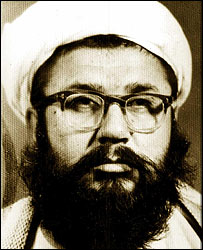
Sayed Isma'el Balkhi
Writer, poet, intellectual, politicianSayed Isma'el Balkhi was one of the most prominent reformist leaders in 20th-century Afghanistan.
As a poet, mystic and a political leader, Balkhi is considered the figurehead of modern Afghan history.
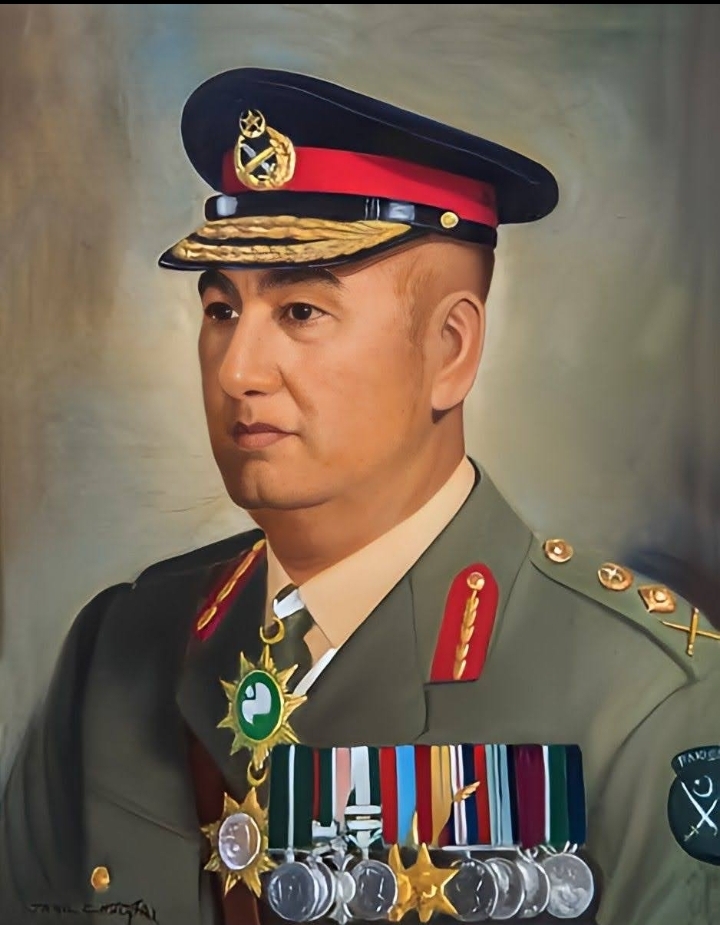
Muhammad Musa (general)
Musa was born on 20 October 1908 in Quetta, Baluchistan, British India to an ethnic Hazara family.Muhammad Musa (general) Gaining commission as a Second lieutenant in the British Indian Army, Khan served with distinction in the Burma and North African campaigns as part of the Allied effort in World War II. Following the Partition of India in 1947, he opted for the Dominion of Pakistan, subsequently transferring his military service to the newly created Pakistan Army. He led a brigade against India during the First Kashmir War in 1947–1948, and eventually ascended the ranks to become the C-in-C of the Army after the 1958 coup d'état. Khan gained notability and public fame throughout Pakistan when he was in command of the Pakistan Army during the Second Kashmir War with India in 1965.
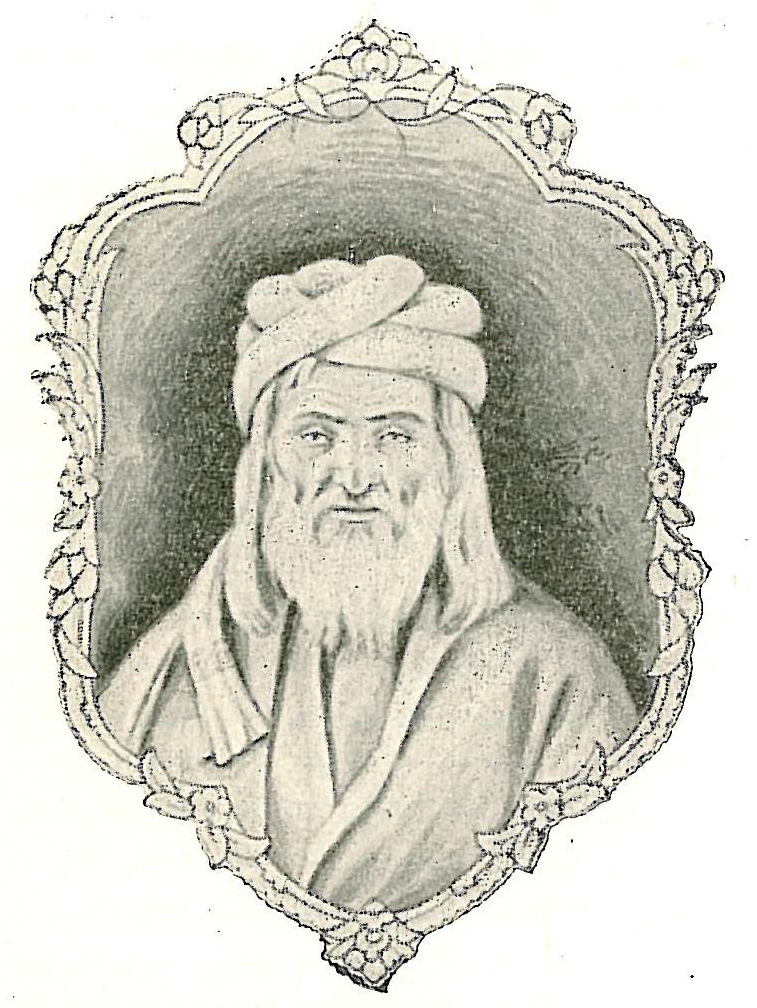
Abu Mu'in Hamid al-Din Nasir ibn Khusraw ibn Harith al-Qubadiyani al-Marvazi
In his book Safarnama, he mostly calls himself "Nasir", and in his poetry he mostly uses the pen-name "Hujjat", a title meaning "proof",Nasir Khusraw's Nasir Khusraw's full name was Abu Mu'in Hamid al-Din Nasir ibn Khusraw ibn Harith al-Qubadiyani al-Marvazi, which he would generally refer to himself by in his prose philosophical works.[1] In his book Safarnama, he mostly calls himself "Nasir", and in his poetry he mostly uses the pen-name "Hujjat", a title meaning "proof", which he had received by the Isma'ili missionary organisation in Cairo.[2][3] In his poetry he also sometimes use the names of "Nasir" and "Khusraw", the latter being a Persian name, which according to historian Dr C. Alice Hunsberger "would certainly have been a point of great pride to this defender of Persian culture and language."[2] His name is also transliterated as Nasir-i Khusraw[3] and Naser-e Khosrow.
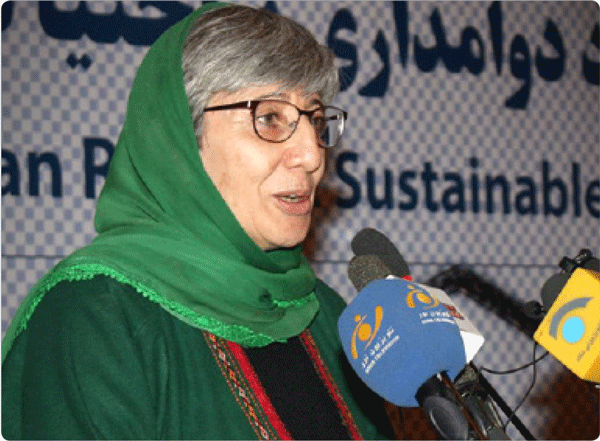
Sima Samar
She is the former Chairperson of the Afghan Independent Human Rights Commission (AIHRC) and, from 2005 to 2009Sima Samar Samar was born on 3 February 1957 in Jaghori, in the Ghazni Province of Afghanistan. She belongs to the ethnic Hazara. She obtained a degree in medicine in February 1982 at Kabul University. She practiced medicine at a government hospital in Kabul, but after a few months was forced to flee for her safety to her native Jaghori, where she provided medical treatment to patients throughout the remote areas of central Afghanistan. She has also remained the head of the human rights commission in Afghanistan.